
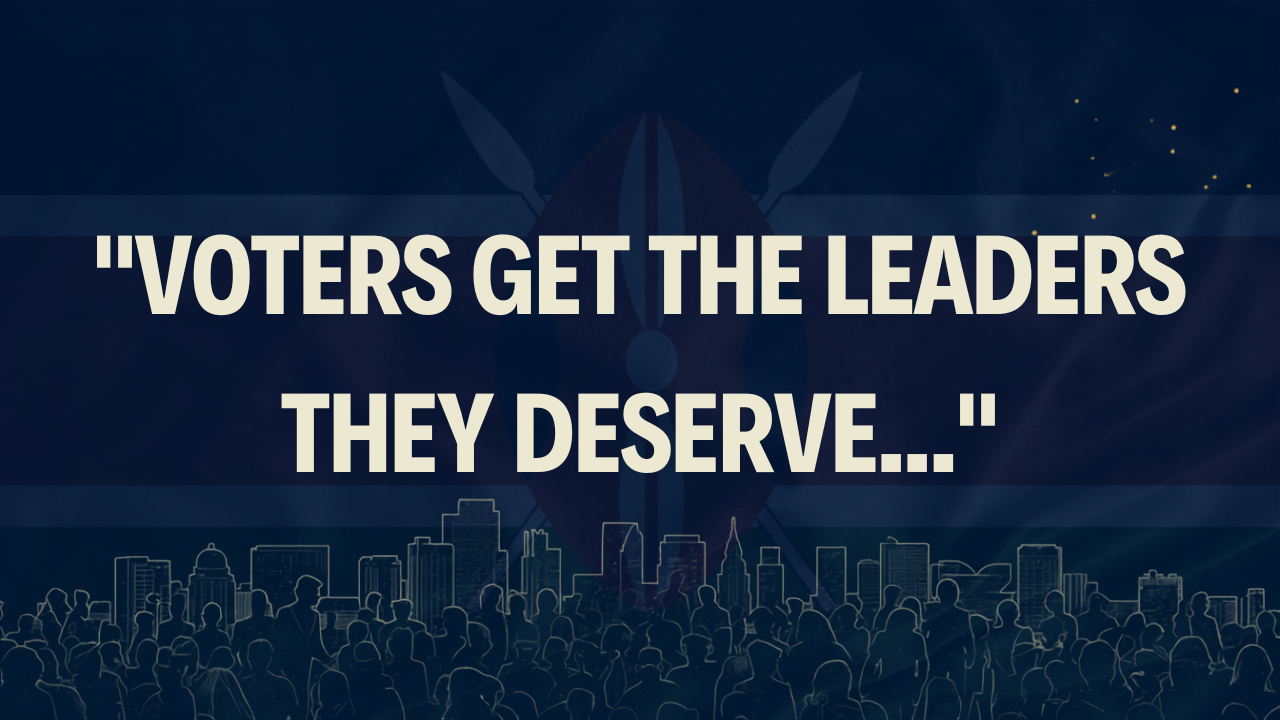
Few statements are repeated more often in political discussions than the claim that citizens get the leaders they deserve.
The argument appears straightforward.
If citizens repeatedly elect poor leaders, responsibility must ultimately rest with the voters themselves.
If corruption persists, citizens must be tolerating it.
If governance fails, citizens must be rewarding failure.
Such arguments often provoke strong reactions because they touch on one of the most uncomfortable questions, at the heart of democratic politics:
How much responsibility should citizens bear for the quality of leadership they receive?
In Kenya, this debate frequently revolves around the concepts of ignorance and illiteracy.
When poor political outcomes occur, some observers argue that citizens are uninformed, politically unaware, or incapable of making sound political judgments.
Others point to poverty, patronage networks, historical inequalities and structural constraints as explanations for voter behaviour.
Yet the relationship between citizens and politics is more complex than either explanation suggests.
The modern Kenyan voter cannot easily be described as ignorant. Neither can they be described as entirely free.
Today’s citizen operates at the intersection of several competing realities.
Literacy levels are significantly higher than they were in previous generations. Information is more accessible than at any other point in the country’s history. Public debate is more visible, political scandals are discussed in real time and government actions are scrutinized daily.
At the same time, awareness is often partial rather than complete. Citizens may know that something is wrong without fully understanding its causes, consequences or alternatives.
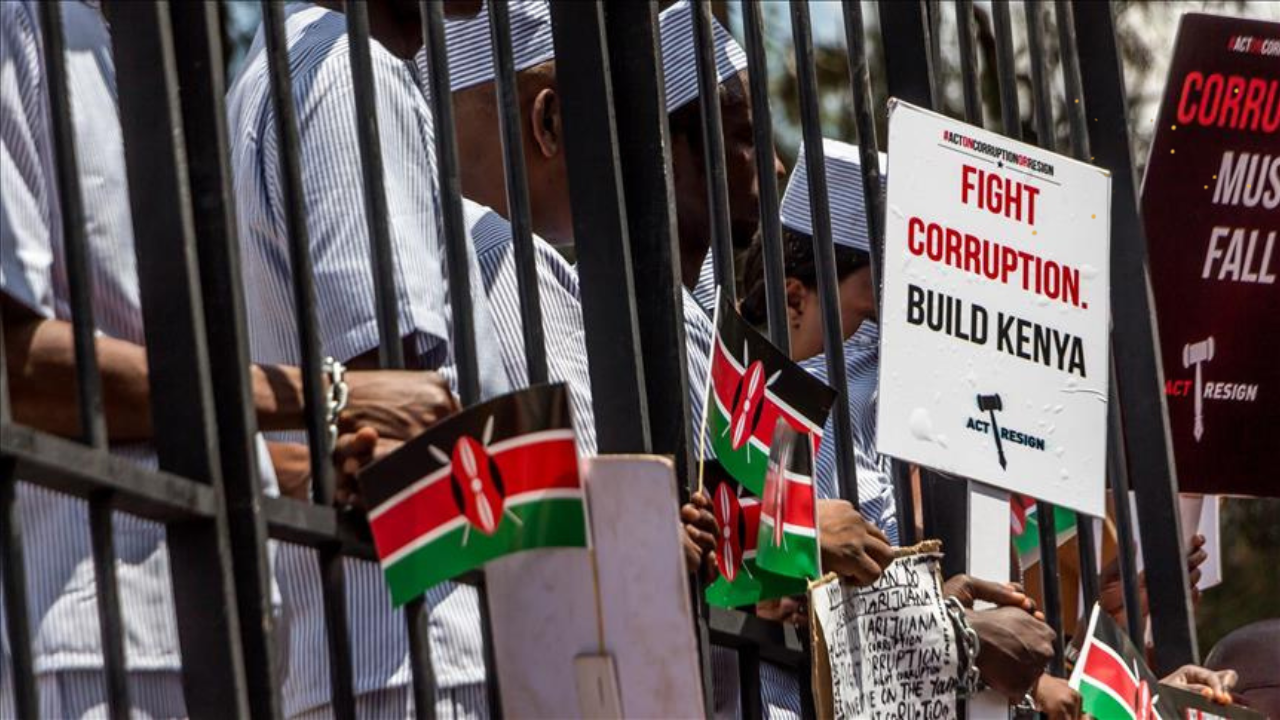
Additionally, economic vulnerability continues to shape political incentives, patronage networks remain influential, ethnic and communal loyalties continue to affect political calculations and personality-driven politics, frequently overshadow institutional politics.
Consequently, Kenya’s citizen-politics relationship is shaped by four overlapping realities:
- Reduced illiteracy, which allows more citizens to engage politically than before.
- Partial awareness, where citizens possess information but not always depth, context, or accuracy.
- Structural pressures, including poverty, inequality and patronage networks that shape political choices.
- A political culture that has normalized corruption, ethnic mobilization and personality-centred politics.
Understanding modern democratic behaviour therefore, requires moving beyond simplistic assumptions about voter ignorance and examining the deeper forces that shape political choice.
The Difference Between Ignorance and Illiteracy
Although often used interchangeably, ignorance and illiteracy are fundamentally different concepts.
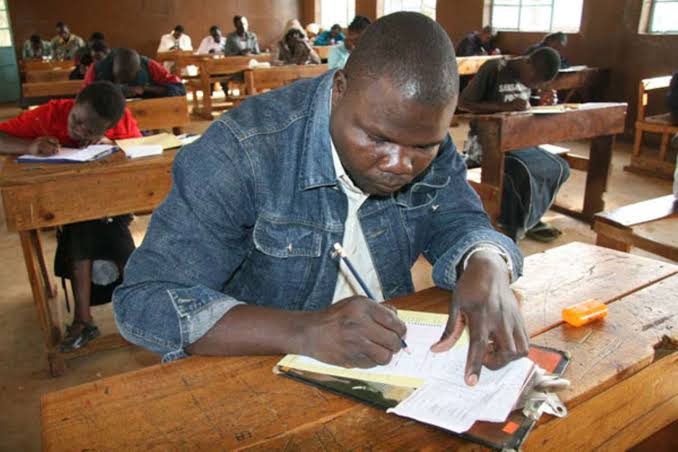
Illiteracy concerns capacity.
It refers to the inability to read, write, or access information through formal channels. An illiterate citizen may struggle to read a political manifesto, interpret public budgets, understand legislation, or engage directly with constitutional documents.
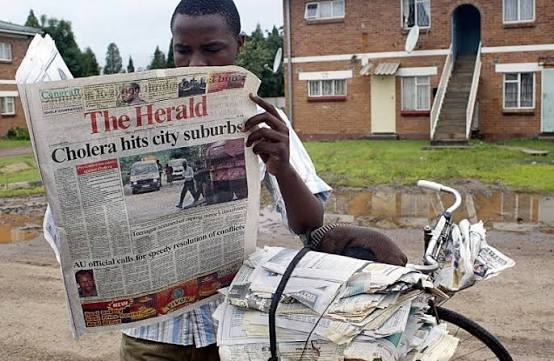
Ignorance, however, concerns awareness.
An ignorant citizen may possess access to information and still remain uninformed, misinformed, disengaged, or indifferent to it.
This distinction matters because the solutions to each problem are fundamentally different.
Illiteracy can often be addressed through education, literacy programmes and improved access to information.
Ignorance requires something more demanding. It requires curiosity, engagement, critical thinking and the willingness to evaluate competing claims.
For many years, political underdevelopment across Africa was frequently explained through the lens of literacy and access to information. The assumption was simple: as citizens became more educated, democratic outcomes would naturally improve.
Reality has proven far more complicated.
Education can expand a citizen’s ability to access information. It does not automatically determine how that information will be interpreted, prioritized or acted upon.
Knowledge changes possibilities. It does not eliminate incentives, pressures, fears, loyalties, or self-interest.
The Modern Citizen Is Not the Citizen of Yesterday
Kenya today is not the Kenya of previous generations.
The average citizen has access to significantly more information than ever before.
Through smartphones, television, radio, podcasts and social media, political information circulates constantly and citizens increasingly understand concepts such as accountability, public participation, constitutional rights and the rule of law.
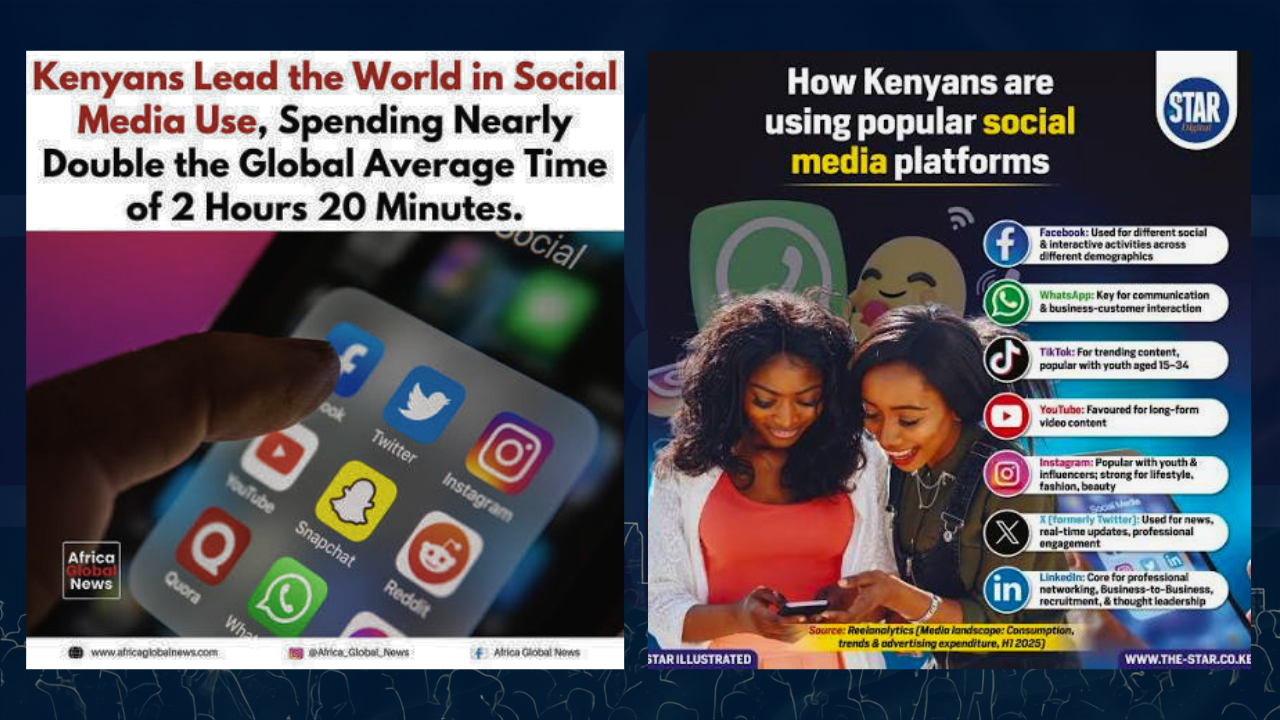
This does not mean however, that citizens possess complete or accurate information. They know more than previous generations, yet they are exposed to unprecedented volumes of disinformation, political marketing and emotional manipulation.
Even so, it is increasingly difficult to argue that poor political outcomes are primarily the result of widespread ignorance.
Many citizens recognize corruption when they see it.
They understand governance failures, they identify broken promises, they openly criticise political leaders, they express frustration with the state of public institutions.
Yet electoral outcomes frequently remain unchanged.
This raises a difficult and uncomfortable question:
If citizens know what is wrong, why do they continue supporting leaders they openly criticise?
The Limits of Awareness
One of the most persistent assumptions in civic education is that awareness automatically produces action.
The logic appears persuasive.
If citizens know enough, they will make better political decisions.
If voters understand governance issues, they will reward good leadership and punish bad leadership.
If people understand the consequences of their choices, they will naturally act in their long-term interests.
Yet human behaviour rarely operates this way.

People routinely act against their own long-term interests despite understanding the consequences.
Individuals know unhealthy habits damage health.
They know poor financial decisions create future difficulties.
They know certain behaviours are unsustainable.
Yet knowledge alone rarely changes behaviour.
The gap between knowing and doing is one of the oldest realities of human nature.
And politics is no different.
Awareness may be necessary for democratic participation, but it is not sufficient.
The challenge is often not what citizens know.
The challenge is what citizens believe they can realistically do with what they know.
Knowledge without viable alternatives can produce frustration rather than action.
Awareness without power can produce cynicism rather than change.
And repeated experiences of political disappointment can gradually convince citizens that different choices will not produce different outcomes.
When Political Choices Become Survival Choices
Additionally, political decisions do not occur in a vacuum.
They occur within economic, social and institutional realities.
For many citizens, politics is not primarily an ideological exercise.
It is deeply connected to everyday survival.
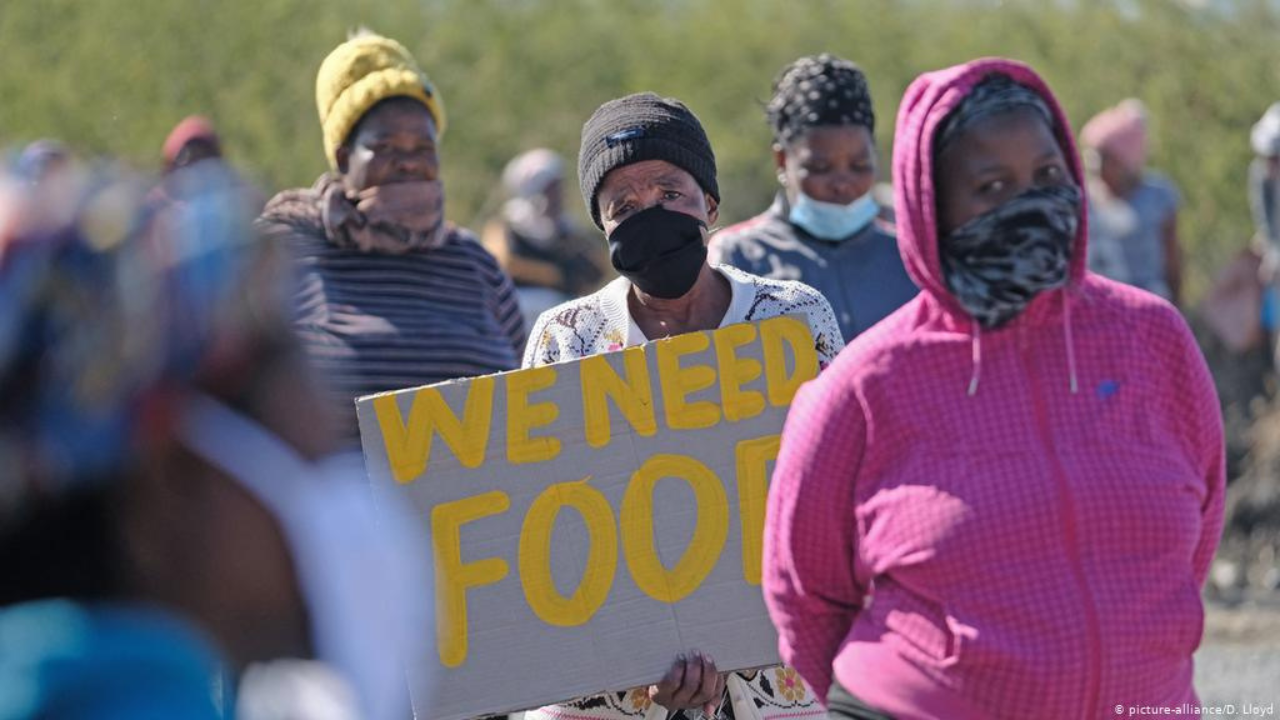
A citizen facing unemployment, rising living costs, food insecurity, debt, unstable income, or limited economic opportunity, evaluates politics differently from someone whose basic needs are already secure.
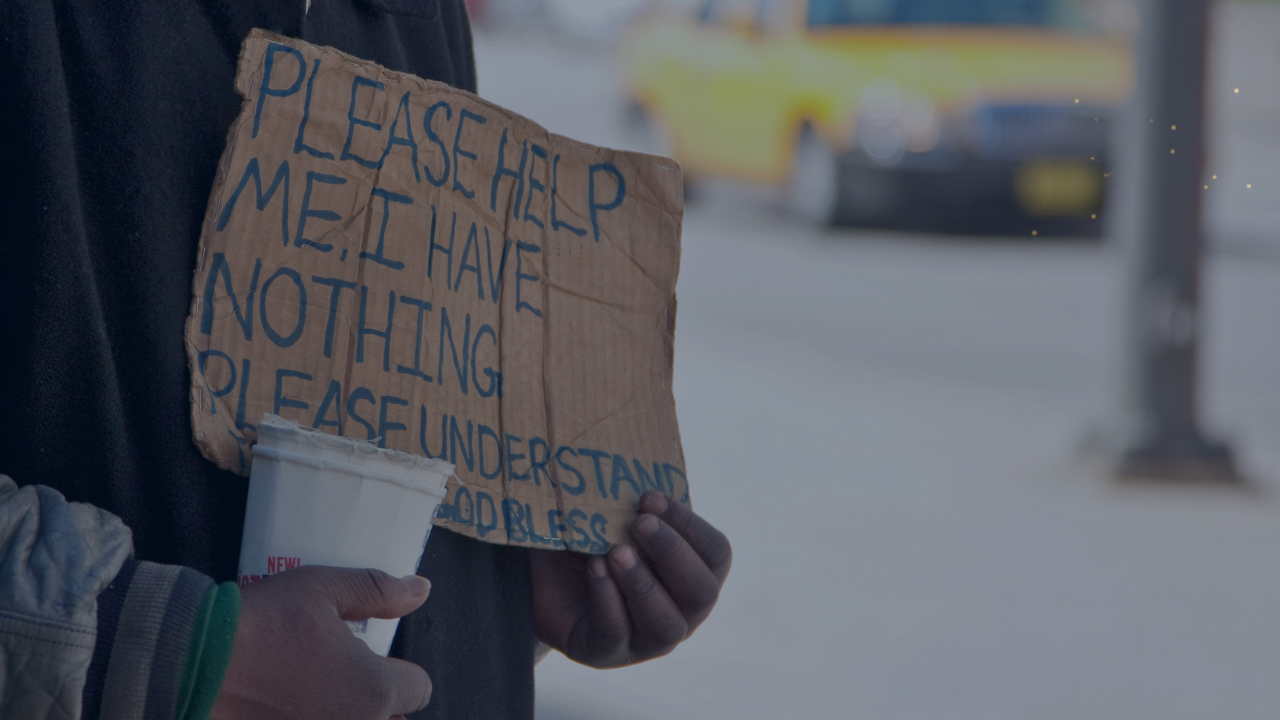
A hungry voter accepting five hundred shillings during an election is not operating within the same decision-making environment as a financially stable voter.
This reality is often overlooked by commentators who assume that all political choices emerge from equal conditions.
They do not.
Structural inequalities shape the freedom people possess to act on their convictions.
Under such circumstances, immediate benefits often become more politically influential than long-term governance considerations;
Promises of development projects, access to local resources, personal assistance from political leaders, community-level interventions and short-term economic incentives.
These become politically influential not because citizens are unaware of broader governance issues, but because their immediate realities demand practical solutions.
What appears irrational from a governance perspective may appear entirely rational from a survival perspective.
And the voter may simultaneously recognize a leader’s flaws while viewing that same leader as the most useful option available.
In this sense, many citizens are not irrational.
They are rational within their circumstances.
And their reasoning often sounds something like this:
“This leader is corrupt, but at least he delivers something locally.”
“This system is unlikely to change, so I might as well benefit where I can.”
“My individual vote will not transform the country, but it may improve my situation today.”
“This candidate is imperfect, but the alternatives are no better.”
Such reasoning is not necessarily a product of ignorance.
It is often adaptive behaviour within a system that citizens perceive as unreliable, unequal and resistant to change.
The Politics of Constrained Choice
This creates what may be described as constrained political choice.
Citizens possess agency.
They think. They evaluate. They compare alternatives. They make decisions.
Yet those decisions are made within circumstances they did not create and often cannot control.
- Poverty influences incentives.
- Patronage networks influence access.
- Ethnic affiliations influence trust.
- Social pressures influence belonging.
- Historical loyalties influence identity.
- Weak institutions influence expectations.
Together, these forces shape political behaviour.
In theory, citizens may support accountability, integrity, transparency and good governance.
In practice, immediate realities often exert greater influence than abstract principles.
This does not eliminate citizen responsibility.
However, it challenges simplistic narratives that portray voters as either fully responsible for political outcomes or entirely powerless within the system.
Are Citizens Victims or Participants?
This brings us to one of the most uncomfortable questions in democratic politics.
Are citizens victims of political systems?
Or are they participants in sustaining them?
The answer is both.
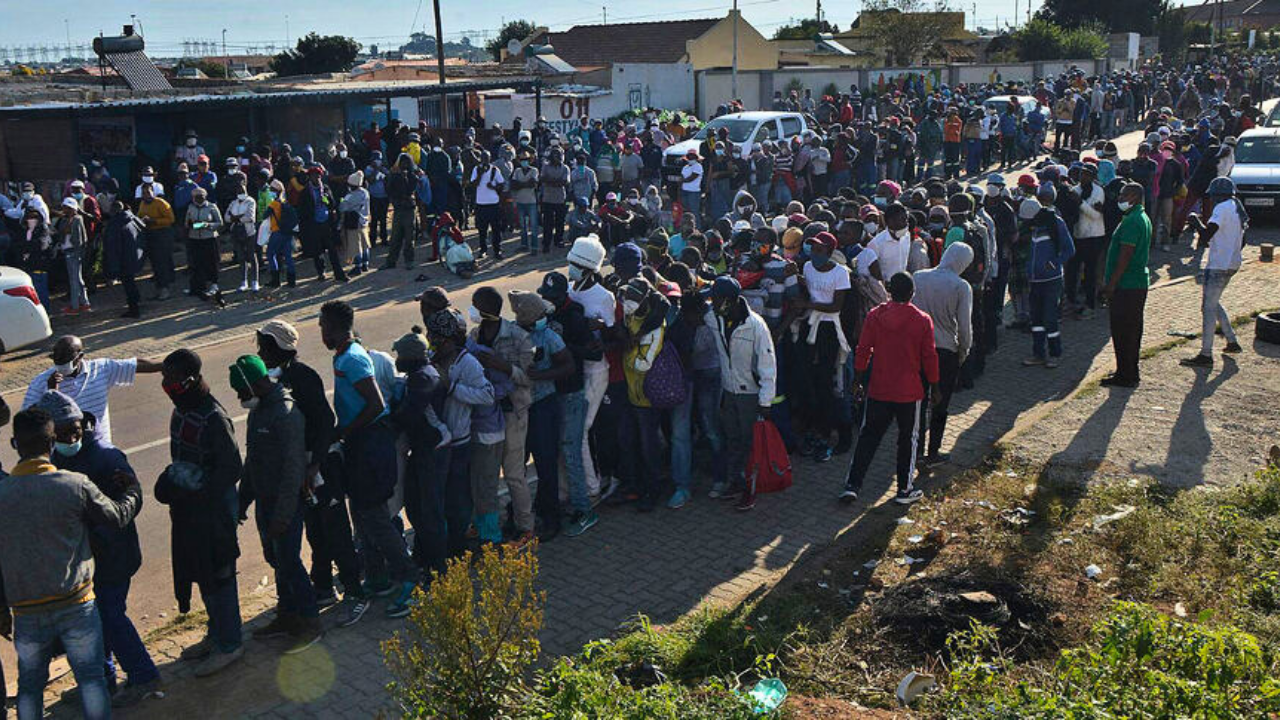
Citizens operate within systems that constrain choice.
At the same time, those systems survive because millions of individual choices collectively reinforce them.
This dual reality creates a tension that many political discussions struggle to accommodate.
Citizens criticize corruption while rewarding politicians who practice it.
They demand accountability while defending leaders from their own communities.
They condemn patronage while participating in patronage networks.
They express frustration with politics while reproducing many of the behaviours that sustain political dysfunction.
These contradictions do not only exist in Kenya, they are visible in democracies around the world.
Human beings frequently hold competing beliefs simultaneously.
They desire systemic change while adapting to existing realities.
They reject a system intellectually while participating in it practically.
And neither the “citizens are victims” narrative nor the “citizens are to blame” narrative adequately captures this complexity.
Democratic maturity thus requires holding both truths at once.
Citizens are shaped by political systems.
But political systems are also shaped by citizens.
Beyond Ignorance: The Gap Between Knowledge and Action
Accordingly, the language of ignorance may no longer adequately explain the political challenges facing modern democracies.
The problem is increasingly not what citizens know.
The problem is the distance between knowledge and action.
It is the gap between civic awareness and political behaviour.
It is the tension between immediate needs and long-term interests.
It is the challenge of making democratic choices within unequal and imperfect systems.
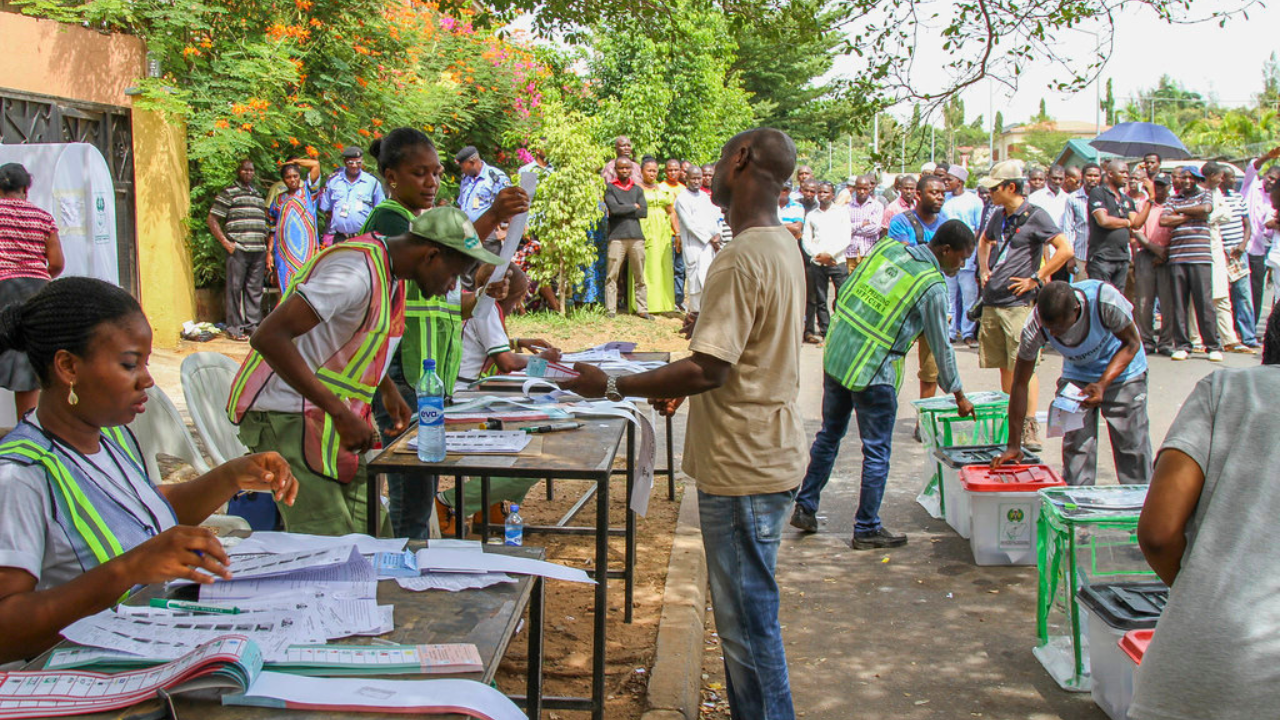
When citizens ask:
Will my vote really make a difference?
Will anyone else change their behaviour?
Will accountability improve my circumstances?
Can I afford to prioritize long-term reform over immediate needs?
These are not merely political questions.
They are deeply human questions that reflect uncertainty, vulnerability, risk and calculation.
They reveal that democratic behaviour is shaped not only by information, but also by incentives, institutions, trust and lived experience.
The Question We Should Be Asking
The more important question, therefore, is:
What would it take for citizens to choose differently—and consistently?

Because the challenge is not what citizens do not know, rather it is the gap between what citizens know and what they feel willing, able, or empowered to do with that knowledge.
Narrowing that knowledge – action gap requires more than civic education.
It requires institutions people can trust.
Economic conditions that reduce survival-based political decision-making.
Political cultures that reward accountability.
And collective confidence that different choices can produce different outcomes.
Watch the Companion Video
This article is accompanied by a video discussion that explores the topic in greater depth, with additional context, examples and analysis.
Editorial & Copyright Notice : This publication is intended for commentary, analysis, civic education, research, and public discourse. Any third-party photographs, news images, headlines, screenshots, or other visual materials used in connection with this article are included for illustrative, contextual, analytical, or educational purposes related to matters of public interest. Copyright in such materials remains with the respective rights holders. Their inclusion does not imply ownership, endorsement, or affiliation unless expressly stated.