
David Maraga is widely regarded as one of Kenya’s most respected public figures. As a former Chief Justice, he became synonymous with constitutionalism, judicial independence and institutional accountability.
Yet his presidential candidacy raises a question that extends far beyond one individual:
Why do highly respected institutional leaders often struggle to convert professional credibility into political momentum?
Across democracies, judges, academics, activists, technocrats, civil society leaders and business executives frequently discover that electoral politics rewards a different set of capabilities from those that produced their professional success.
Maraga’s candidacy therefore offers an opportunity to examine a broader democratic challenge: the relationship between professional excellence and political leadership.
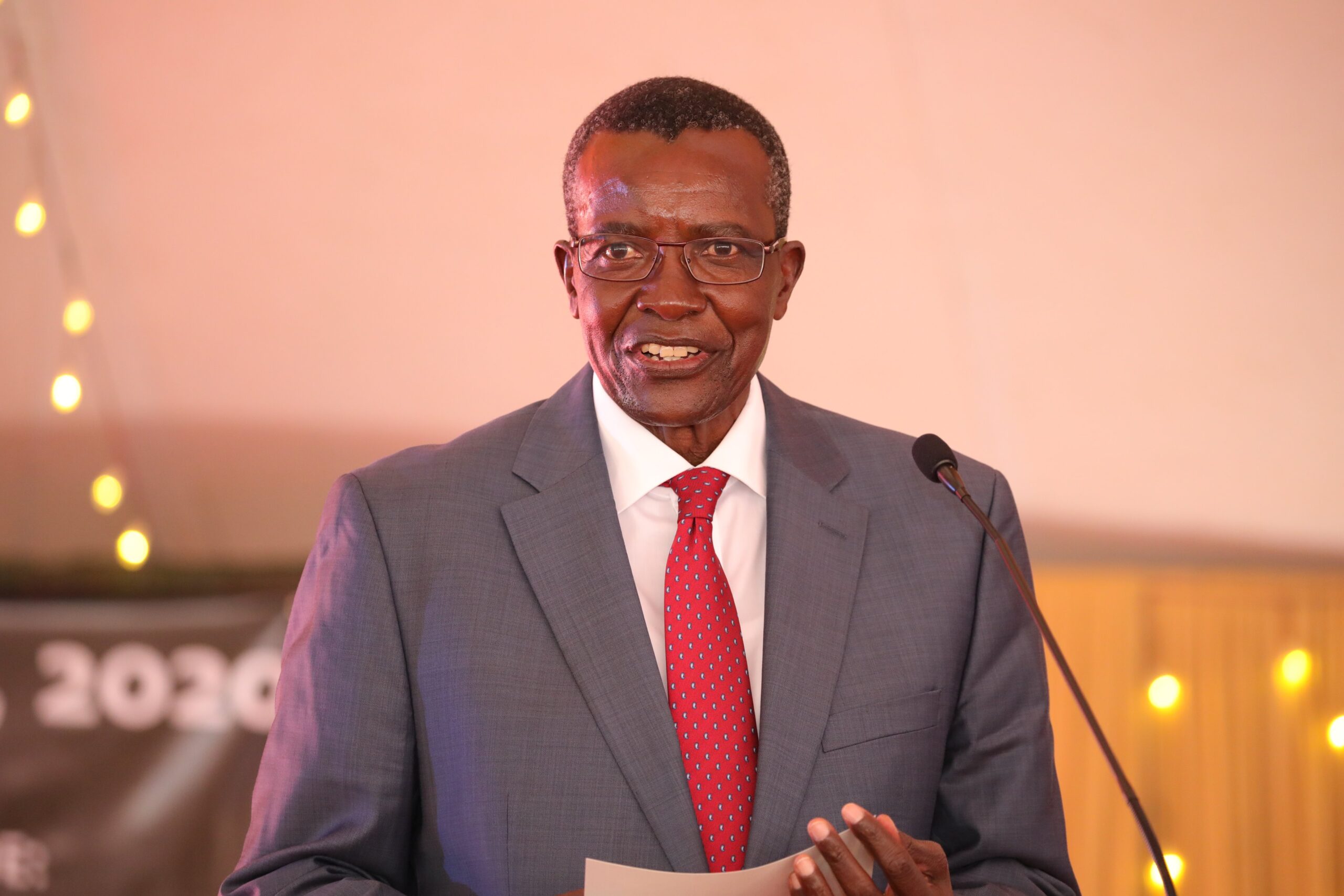
Professional Excellence and Political Leadership Are Not the Same Thing
Many citizens assume that excellence in one sphere naturally translates into excellence in another. That
- A respected judge should make a good president.
- A celebrated activist should make a good president.
- A successful business leader or distinguished academic should make a good president.
While such assumptions appear logical, democratic politics repeatedly demonstrates that professional competence and political competence are not identical.
The skills required to excel in law, academia, civil society, business, or the judiciary differ significantly from those required to acquire, sustain and exercise political power.
In this context, a judge is trained to interpret the law, weigh evidence and make impartial decisions. A president must build coalitions, negotiate competing interests, communicate a national vision, manage political conflict and maintain public legitimacy across diverse constituencies.
Both roles require leadership. However, they require different forms of leadership.
This distinction helps explain why many respected institutional figures struggle when they seek elective office. Their credibility may be unquestioned, but electoral politics demands more than credibility alone.
It demands political imagination.
Kenya’s Historical Preference for Political Leaders
The challenge facing institutional reformers becomes clearer when viewed within Kenya’s political history.
Kenya’s presidential politics has traditionally rewarded leaders who emerge from long periods of political engagement, coalition-building, party organization and public mobilization. Presidential contenders are often evaluated not only on their ideas or credentials, but also on their ability to assemble alliances, navigate political competition, and sustain national visibility.
This does not necessarily mean that institutional leaders cannot succeed politically. Rather, it means they enter the contest from a different starting point.
Their reputations are often built through service within institutions rather than through participation in electoral politics. As a result, they frequently possess credibility but lack the political networks, organizational machinery and public narratives that electoral competition tends to reward.
The challenge is therefore not merely one of qualification.
It is one of translation.
How then does institutional credibility become political viability?
The Competitive Presidential Imagination
One of the least discussed aspects of democratic politics is what may be described as the competitive presidential imagination.
Every society develops an informal psychological process through which citizens sort public figures into two broad categories:
- People who could realistically become president.
- People who are unlikely to become president.
Importantly, this sorting process is not based solely on competence, integrity, or intelligence.
It is based on whether citizens can actually imagine a person exercising national power.
- Can they imagine that individual commanding state institutions?
- Can they imagine them navigating political crises?
- Can they imagine them surviving electoral battles?
- Can they imagine them negotiating with international leaders, directing government policy, and leading the country through moments of uncertainty?
These perceptions often operate beneath conscious awareness.
A citizen may deeply admire an economist, activist, professor, judge, or civic leader while simultaneously struggling to imagine that person as president.
Conversely, another figure may possess fewer professional credentials, but still appear more presidential because citizens have repeatedly encountered them in contexts associated with power, political competition, coalition-building, and national leadership.
In many respects, presidential campaigns are contests over imagination before they become contests over votes.
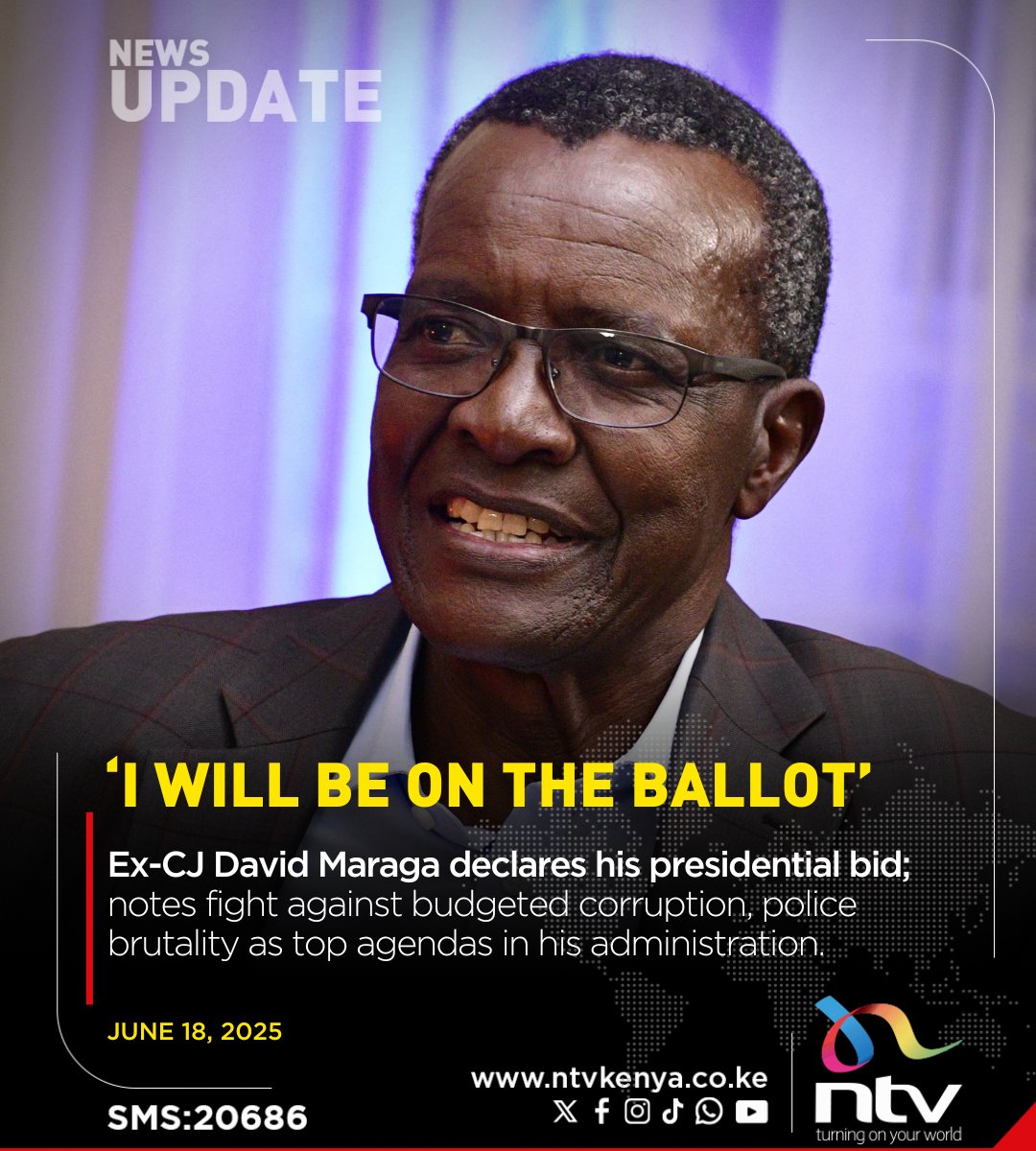
This may help explain why David Maraga commands significant respect while remaining outside many of the dominant presidential conversations. The issue may not be a deficit of credibility.
Rather, it may be that he has not yet fully entered the public’s competitive presidential imagination.
Reform Legitimacy and Power Legitimacy
A second challenge facing many institutional reformers is the distinction between reform legitimacy and power legitimacy.
Although these concepts often overlap, they are not the same thing.
Reform legitimacy is earned when a person becomes associated with correcting wrongdoing, defending institutions, promoting accountability and advancing the public good. Citizens view such individuals as principled, ethical, trustworthy and committed to improving society.
Power legitimacy, on the other hand, is earned when citizens become convinced that an individual can successfully acquire, exercise and sustain political authority. It is rooted not only in trust, but also in perceptions of capability, resilience, decisiveness and political effectiveness.
In democratic politics, many individuals successfully acquire reform legitimacy but struggle to acquire power legitimacy.
Citizens may admire them.
They may trust them.
They may even agree with them.
Yet they may still hesitate to imagine them governing the state.
This distinction helps explain why some reformers remain influential public voices without becoming successful political leaders. The public often perceives them as guardians of the system rather than commanders of it.
As a result, they are viewed as people who should advise power, constrain power, or correct power rather than exercise power directly.
David Maraga’s public reputation has largely been built upon reform legitimacy. Throughout his judicial career, he became associated with constitutional accountability, institutional integrity, judicial independence and the rule of law.
These are significant political assets.
However, they primarily reinforce his identity as a constitutional guardian rather than an executive actor.
The challenge facing Maraga is therefore not whether citizens respect him.
The challenge is whether enough citizens can imagine him exercising executive authority on a national scale.
Historically, the most successful transformational leaders have managed to combine both forms of legitimacy. They are seen not only as reformers capable of improving the system, but also as leaders capable of governing it.
Citizens feel morally safe with them while simultaneously believing they possess the authority, strength and competence required to lead.
That combination is rare.
When it occurs, however, it can become politically powerful.
Beyond Kenya: When Moral Authority Meets Political Power
The challenge confronting institutional reformers is not unique to Kenya.
Throughout history, respected figures from outside traditional political structures have sought to convert professional or moral authority into political leadership, often with mixed results.
Some have succeeded by combining institutional credibility with broad political coalitions and compelling national narratives.
Others have discovered that public admiration does not automatically translate into electoral support.
The difference often lies not in competence, but in whether they successfully bridge the gap between reform legitimacy and power legitimacy.
Democratic leadership requires both forms of confidence.
One without the other is often insufficient.
The Maraga Paradox
David Maraga’s candidacy thus illustrates a broader paradox that exists within many democracies.
The qualities that make a person admirable do not automatically make them electorally magnetic.
Citizens frequently say they want leaders who are:
- Honest.
- Principled.
- Disciplined.
- Constitutional.
- Accountable.
- Serious.
Maraga embodies many of these qualities.
Yet electoral politics often rewards additional traits that citizens may not always explicitly acknowledge.
Voters frequently respond to perceptions of momentum, political strength, emotional connection, coalition-building ability, resilience under pressure and the capacity to compete successfully within highly contested political environments.
As a result, there is often a gap between the qualities citizens say they desire, and the qualities they ultimately reward electorally.
This does not mean citizens are hypocritical.
Rather, it reflects the reality that presidential elections are not simply evaluations of character.
They are judgments about who can successfully acquire power, govern effectively, survive political conflict and advance national interests within complex political systems.
Maraga’s candidacy sits at the intersection of these competing expectations.
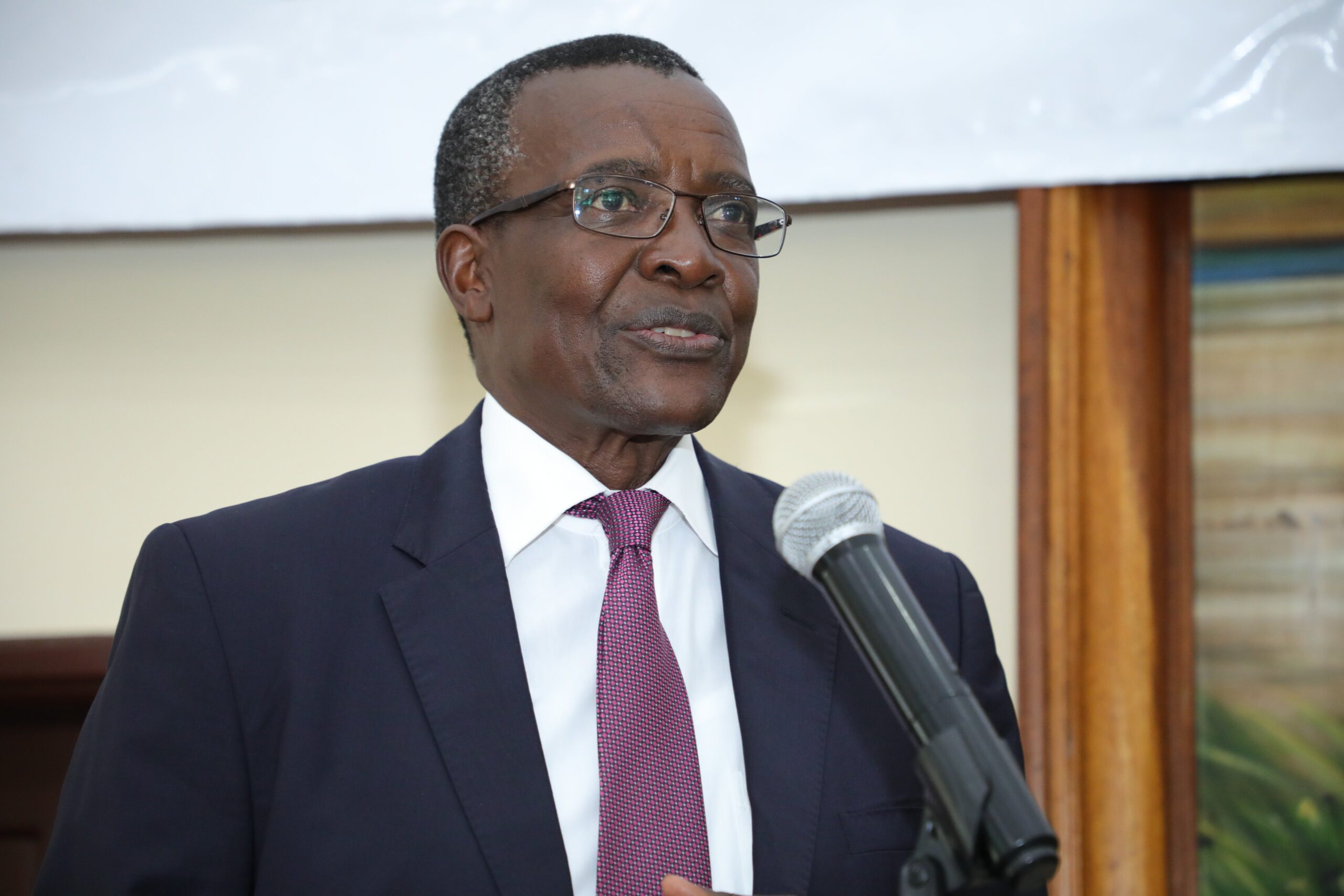
His greatest challenge may not be persuading citizens that he is a good person. Many already believe that.
His challenge may be persuading citizens that he represents a credible governing alternative. That he can realistically compete, build political alliances, command national attention, and ultimately govern.
That distinction is subtle but important.
In this sense, Maraga’s candidacy provides a valuable lens through which to examine the broader relationship between moral authority and political power.
Institutional Reformers and the Challenge of Democratic Politics
Politics is not simply another profession.
Politics is a distinct arena with its own expectations, incentives and forms of legitimacy.
Professional excellence can create credibility.
But credibility alone rarely creates political momentum.
Political leadership requires the ability to build coalitions, communicate vision, mobilize supporters, navigate conflict, and sustain public attention over long periods of time.
Many institutional figures enter politics assuming that their record will speak for itself.
Democratic politics rarely works that way.
Citizens do not simply evaluate résumés.
They evaluate stories.
They respond to narratives, symbols, identities, relationships, and perceptions of leadership.
Consequently, the transition from institutional leadership to political leadership often requires a fundamental shift in public positioning.
The individual must move from being perceived as an observer of national challenges to being perceived as an active agent capable of resolving them.
This transition is difficult because it requires a different relationship with power.
Institutional leadership often depends upon neutrality, restraint and procedural legitimacy.
Political leadership requires direction, persuasion, competition and public mobilization.
The two forms of leadership are related, but they are not identical.

Lessons for Kenya’s Future Leaders
The significance of the Maraga case study extends beyond the 2027 election.
Whether his candidacy ultimately succeeds or fails, it raises important questions about the future of leadership in Kenya.
Can democratic societies successfully elevate individuals whose authority was built through institutions rather than political machines?
Can professional credibility become a viable pathway to national leadership?
What must reformers do to transform respect into political viability?
What role should citizens play in expanding their understanding of what leadership looks like?
These questions will remain relevant long after any single election cycle.
Future candidates will emerge from the judiciary, academia, civil society, business, faith communities, and public service.
Many will face the same challenge confronting Maraga today.
They will possess credibility but struggle for visibility.
They will command respect but struggle for momentum.
They will inspire trust but struggle for perceived viability.
Understanding these dynamics is therefore not simply about evaluating one candidate.
It is about understanding how democratic societies choose leaders.
And ultimately, the question is larger than any single election or candidate.
How does a society translate moral authority into political authority?
Watch the Companion Video
This article is accompanied by a video discussion that explores the topic in greater depth, with additional context, examples, and analysis
Editorial & Copyright Notice : This publication is intended for commentary, analysis, civic education, research, and public discourse. Any third-party photographs, news images, headlines, screenshots, or other visual materials used in connection with this article are included for illustrative, contextual, analytical, or educational purposes related to matters of public interest. Copyright in such materials remains with the respective rights holders. Their inclusion does not imply ownership, endorsement, or affiliation unless expressly stated.