
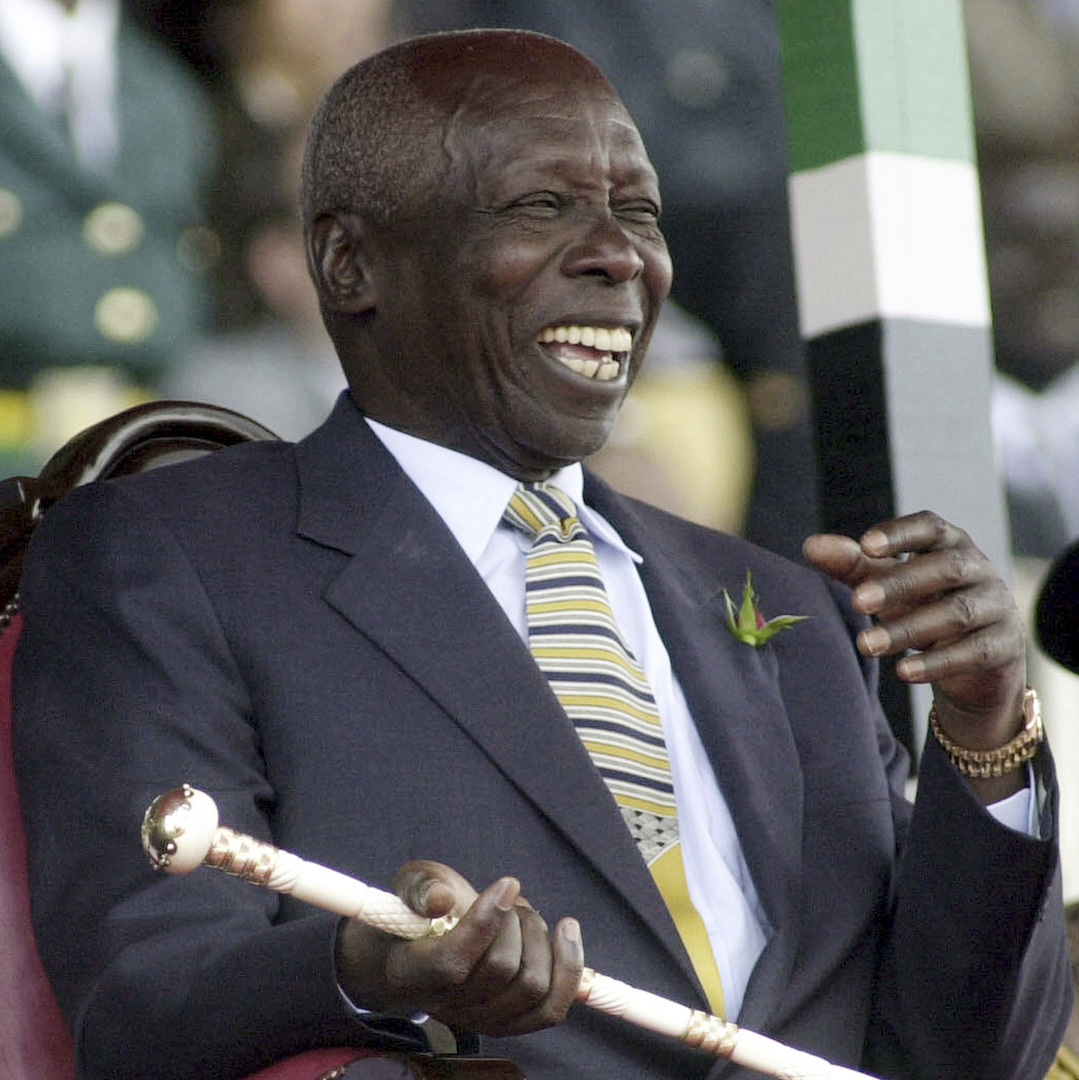
I hold fond memories of former President Moi, or at least I did. He was a towering figure with broad shoulders that elevated his courtly demeanor. His walk was always confident and enthusiastic. He had a disarming sense of humor and a commanding voice that seemed to me to suggest that he was content with life. He was a towering figure with broad shoulders that elevated his courtly demeanor. His walk was always confident and enthusiastic.
When I was young I thought of him as a kind, fun and generous old man. He enjoyed farming and was often recorded building gabions. He loved to watch children dance during the drama festival seasons and would on occasion, sing along with our patriotic tunes. He was also keen to give us an education and ensured that all pupils regularly received a packet of milk, to keep us full and healthy in between our lessons. He was to us, like a grandfather from a far away land.
My environment solidified my admiration for him. The adults in my family and neighborhood talked of him often. Roads and buildings bore his name. The media publicized his every activity and so I would always hear of him over the radio and watch him on our television screen. The teachers at my primary and secondary schools appeared to love him too. They taught me about his good deeds during our history lessons, and would read to me books and newspaper cuttings that detailed his exploits. I held on to this affection into my adulthood. For me, he was the embodiment of leadership.
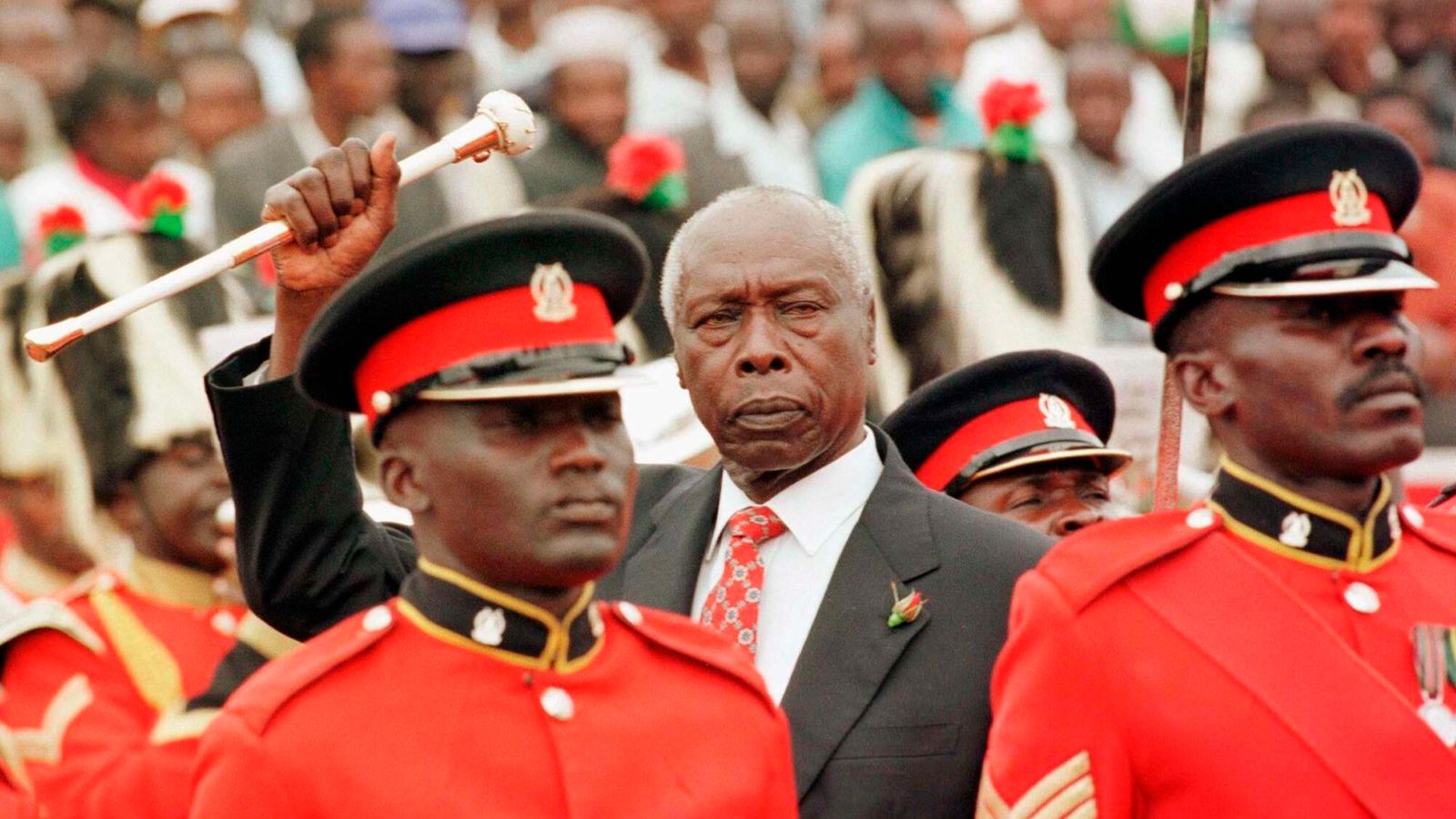
I could not initially therefore, fully comprehend the hate and vitriol that characterized his ouster during the 2002 general election. The masses were angry and frustrated by his leadership and they wanted him out of power. I was at the time, a first-time voter with a naïve disposition to politics and governance. As the election day drew closer, the older adults instructed me on whom I was to vote for, providing little detail of the decision.
I remember watching the inauguration ceremony weeks later with such angst, as the multitudes jeered at him. I also remember my sadness, as the media televised him vacating his official residence in the city. He looked tired, defeated and lonely.
My confusion about this chain of events lasted for a couple more years, up till the atrocities of the 2007 post-election violence that unsnarled my muddled perceptions about my country and its leadership. Mainstream and social media platforms, publicized the bloodshed as I watched families and friendships get torn apart by ethnic and political differences.
I was later admitted to the bar as an Advocate of the High Court of Kenya, around the time that the country was re-engaging its peace and reconciliation processes. I then joined the civil society as a young intern, where I was assigned research projects on human rights, transitional justice and constitutional reforms. It was only at this time – in my 20s – that I learned that as a community, we had become familiar with injustice, inequality and silence. That our tribes held more value than our collective identity and that I was inheriting years of social, political and economic baggage that would impact on my welfare as a young citizen.
I also learned of Moi’s shortcomings, about the Nyayo torture chambers and his extravagances that crippled the country’s economy. I read about the autocracy that characterized his leadership and of the distress and loss that many suffered during his long stay in power. I questioned why no one had told me about these failings, why these realities had been hidden from me and why, none of the older adults had fixed these problems over the years.

Would I have acted differently had I known these truths as a child or young adult?
It is impossible to reverse time, but I am convinced that knowing the truth about my past and envisioning what my country could or should be in the future, has influenced my relationship with it. I value my civil and political freedoms in the knowledge that there was a time I may not have enjoyed them. I hold dear the sense of belonging that comes with being a citizen, because I know of Kenyans who crossed the borders as refugees due to the cyclic conflicts. I also strive to serve my country as best as I can, cognizant of its past economic failings, which stifled its proven potential.
I also realize, that I will always be fond of President Moi, my grandfather from a far away land. I am disappointed by his actions and their impact on our history, yet I hesitate to accept the other versions of him. My years of indoctrination systematically diminished his flaws and endeared him in my memories.
Accordingly, while the next generations may not relate with the struggles for independence or the quest for multipartism and constitutional reforms, we have the duty to make that history available to them. Teaching them only that which is convenient, impedes their critical thinking skills and their ability to create informed opinions about their present and future.
To achieve this, we must first, create an environment that allows for honest conversations about our past. We must be willing, to share with them our collective triumphs and challenges, and to acknowledge our roles in creating the environments they now live in.
Secondly, we must teach the youth about the Constitution and its role in our society. They need to know of its origins and of the sacrifices that were made by the previous leaders in its development. These engagements should be strategic and intentional and should prepare them for life as adult citizens.
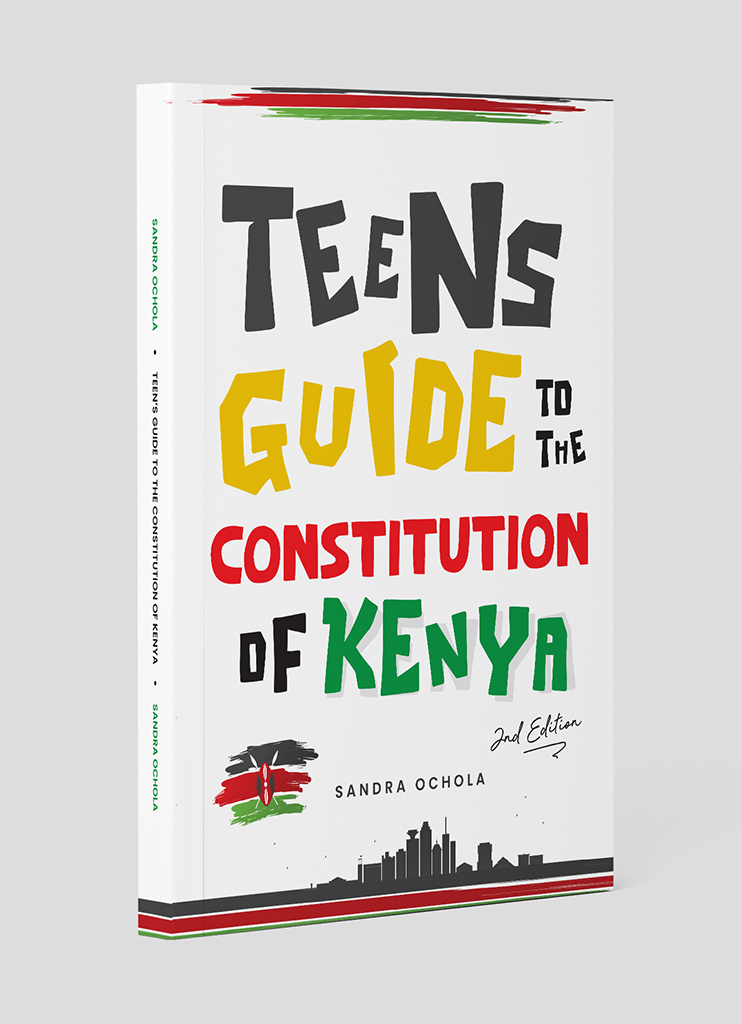
The social studies content in our academic curricula should also be broadened to include more constitution and governance related topics. Education on the topics of citizenship, patriotism, democracy, human rights, devolution and the national values and principles of governance, should be provided in a consistent and age-appropriate manner, right from primary to the tertiary and university levels.
Most important, is that our involvements with children and youth should give them a hope for the future and assert a sense of duty in their young minds. It is then that they may safeguard their existing liberties and avoid repeating the mistakes of the past.
Awesome https://is.gd/N1ikS2