

The government, through Executive Order No. 2 of 2023 has established the Minorities and Marginalized Affairs Unit to protect the rights of minorities and marginalized communities and to promote affirmative action programs and measures as envisioned in the Constitution of Kenya 2010, the BETA Plan and relevant treaties, conventions and statutes.
Globally, minority communities face a myriad of challenges including poverty, identity dilemma, and discrimination, limited access to education and employment opportunities as well as political exclusion and negative stereotypes. Their lack of dominance in the social, economic and political spheres, erode their distinct indigenous identities, making them susceptible to human rights violations and continued disenfranchisement.
Preliminary data indicates the Kenya has approximately of 68 ethnic minorities and marginalized communities distributed in 34 counties of Kenya. They include, the Barawa, the Frere Town Descendants, Nubians, Suba, Makonde, Ilwana, Waata, Pare, Issack, Garre, Terik, Kony, Ogiek and the Angulya.
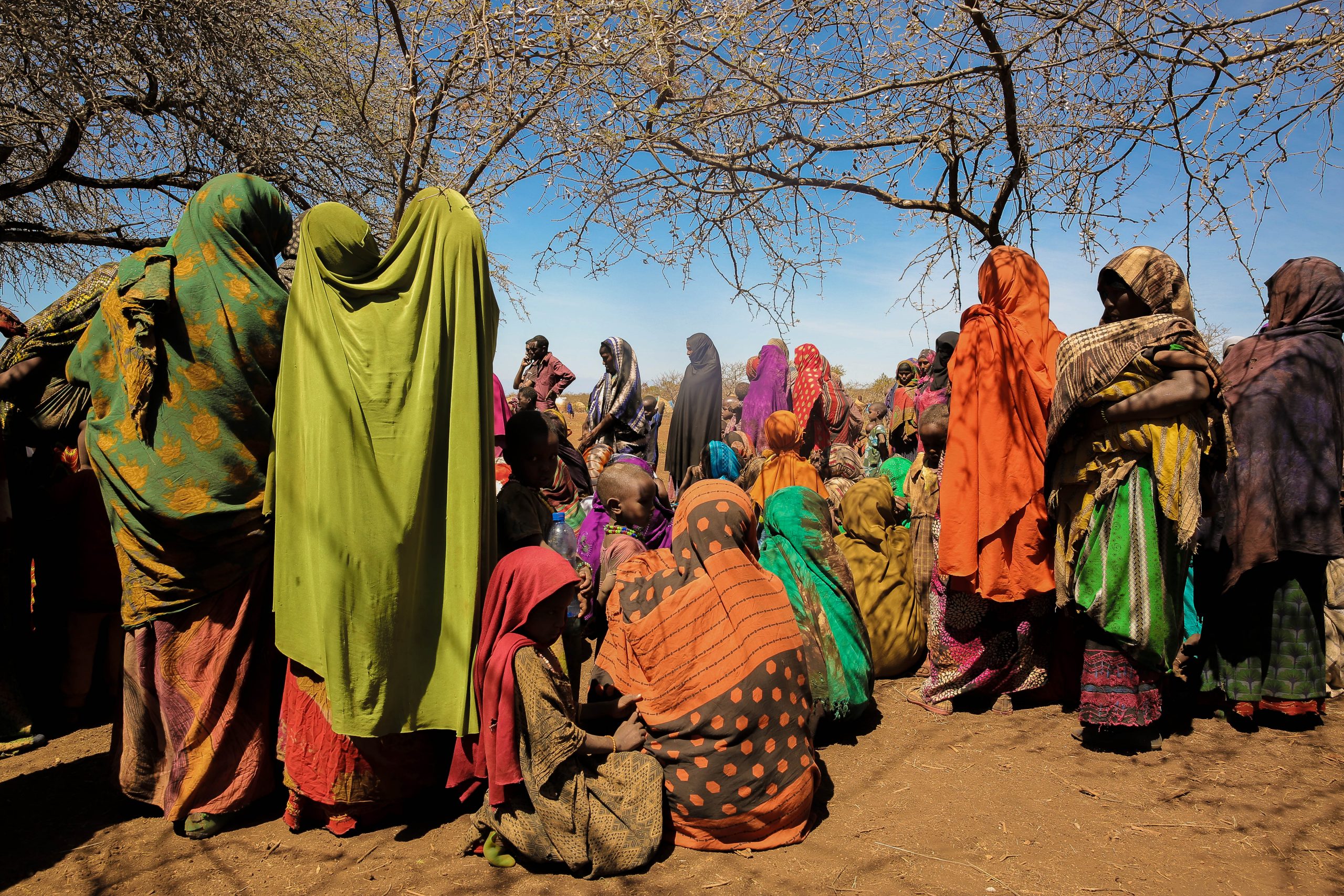
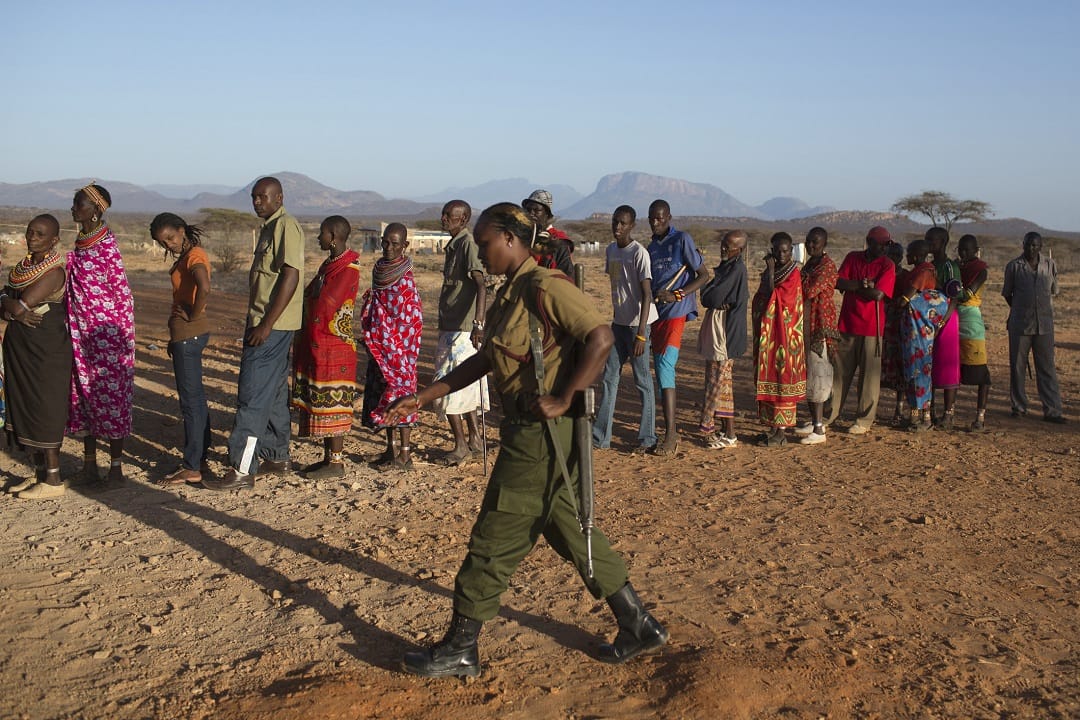
The recognition of ethnic minorities and marginalized communities in Kenya, has however lagged behind compared to other special interest groups such as Women, Youth and Persons with Disabilities due to a number of factors. In particular,
- There is lack of clarity on the definitions of ethnic minorities and marginalized communities.
- There is insufficient data, including disaggregated data, on ethnic minorities and marginalized communities.
- Absence of centralized coordinative focal points through which coordinated and sustainable efforts, by both state and non-state actors, can be implemented.
- Lack of a comprehensive policy and adequate legislative framework to address the rights of ethnic minorities and marginalized communities.
- Low levels of awareness amongst the general public on the existence and rights of ethnic minorities and marginalized communities.
- Inadequate political goodwill, coupled with discrimination from past government policies specifically, the Sessional Paper No. 10 of 1965 that prioritized investing only in productive areas of the country, have contributed to the non recognition and identification of ethnic minorities and marginalized communities by state actors
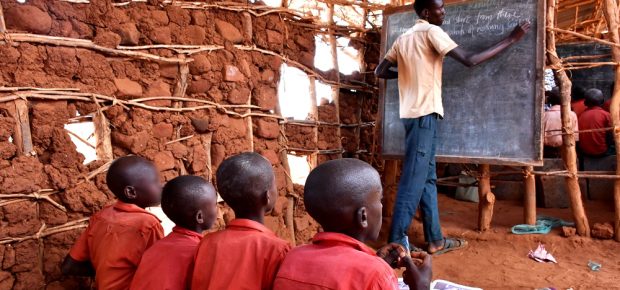
These drawbacks have overtime, had an impact on national cohesion and unity and the preservation of our collective culture and heritage. They have also disrupted peaceful coexistence among communities and compliance with national, regional and international obligations.
Article 56 of the Constitution of Kenya, obligates the state to put in place affirmative action initiatives that promote the rights and welfare of minority and marginalized groups. This involves developing and implementing a comprehensive institutional framework, which incorporates policy reforms, capacity building, institutional strengthening and data driven decision making in advancing the rights and interests of disadvantaged groups.
The Minorities and Marginalized Affairs Unit, therefore has the mandate to;
- Initiate the formulation of a national policy and enactment of legislation for minorities and marginalized communities
- Study, design and recommend appropriate affirmative action programs and measures, to ensure that ethnic minorities and marginalized communities participate, and are represented in governance and other spheres of life.
- Undertake mapping and identification of minorities and marginalized communities across the country.
- Monitor the implementation by Ministries, Departments and Agencies (MDA’s) of presidential directives concerning minorities and marginalized communities in the country
- Facilitate the recognition and registration of stateless minorities and marginalized communities, in collaboration with other concerned government departments and
- Undertake the sensitization of minorities and marginalized communities of their rights and the government’s commitments towards mainstreaming their agenda.
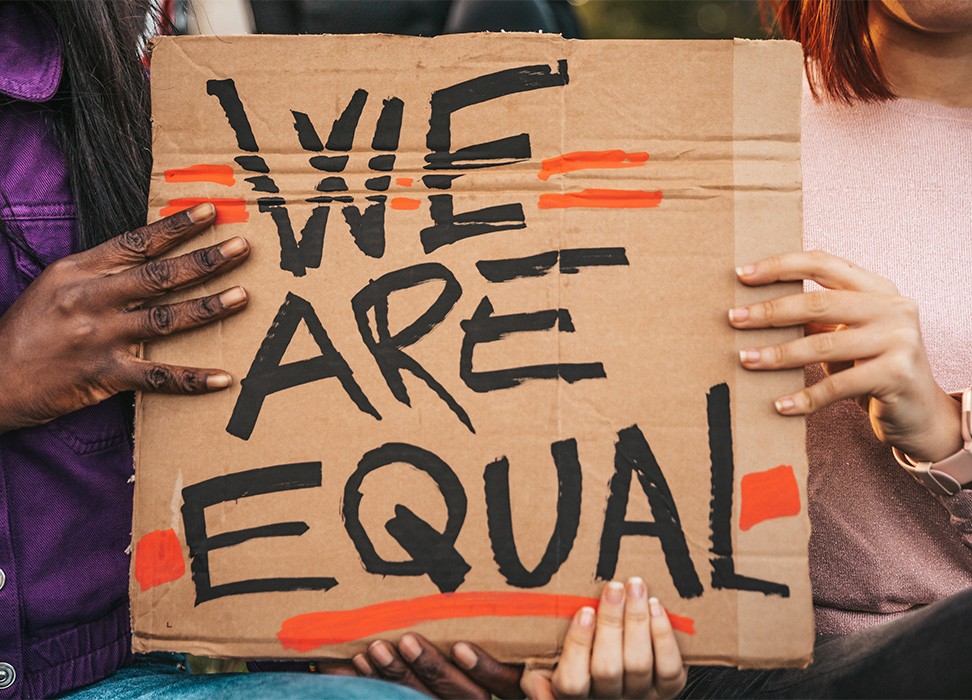
Moving forward, Kenyans should expect a broader repository database on ethnic minorities and marginalized communities, through which the disadvantaged groups will be marked and gazetted. The Unit will also be undertaking awareness and capacity building exercises on the rights of ethnic minorities and management communities to ensure that we all play a role in promoting and protecting the rights of the ethnic minorities and marginalized communities amongst us.