
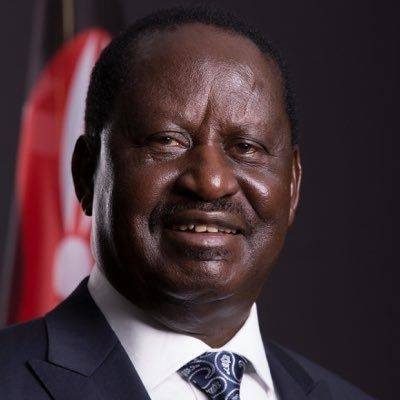
The month of February 2025, was characterized by intense emotions as many Africans looked forward to the outcome of the African Union Commission (AUC) Chairperson elections. Kenya’s candidate Hon. Raila Odinga received support from varied quarters including, from heads of state and regional citizens. This support was reflected in the initial rounds of the vote, with Kenya taking the lead against Djibouti and Madagascar. It was therefore disappointing, when the final results placed Kenya as second best after Djibouti.
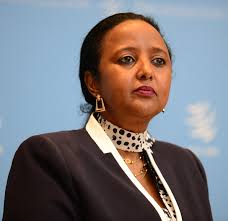
This is not its first loss at the African Union however. In 2017, Kenya fronted Ambassador Amina Mohamed, then Minister for Foreign Affairs, for the same AUC position and received similar results. Foreign policy analysts and international relations pundits intimated, that geopolitical dynamics and religious and linguistic differences (between the Francophone and Anglophone countries) might have impacted on Kenya’s success
In particular, the francophone countries were said to vote as a block, thus fortifying their candidate’s support base, while the Anglophone vote was fragmented, denying Kenya the numbers it needed for a win. Burundi and Tanzania, who are members of the East Africa Community, did not vote for Kenya either, signaling strained relationships at the regional level. It is also said, that Kenya’s support for African countries withdrawing from the International Criminal Court (ICC), at a time when most countries were reaching for democratic governance, did not sit well with many Africans.
Some of these challenges have persisted through to 2025. Kenya’s position on the ongoing conflict in the Democratic Republic of Congo as well as on the Israel- Palestine conflict, the numerical dominance of the Francophone countries at the AU and to an extent, its ongoing internal governance challenges, may have contributed to its unanticipated performance. Other impeding factors have included the choice of candidate, with Kenya’s Hon. Raila Odinga viewed more as an accomplished politician than the seasoned diplomat that the AU electorate might have preferred. So what next for Kenya at the AUC?
There is no shortage of leadership and expertise within Kenya’s diplomatic corps. Its resilience and its vision for a united and prosperous Africa, will ensure it continues to deliver in its existing roles at the AU. In the meanwhile, there is need for a relook into our foreign policy to amongst other things, re-evaluate our geopolitical strategies and relationships at the regional level. For future undertakings, it is important to nurture additional and younger diplomats within strategic bodies, who can then represent Kenya’s interests at the regional and international levels. It is however up for debate, how the AU will address the structural injustices pertaining to the numerical dominance of francophone countries in its elections.
Third time’s a charm they say. Kenya will come back stronger.
Awesome https://lc.cx/xjXBQT
Awesome https://is.gd/N1ikS2
Awesome https://is.gd/N1ikS2